Changing Perspectives

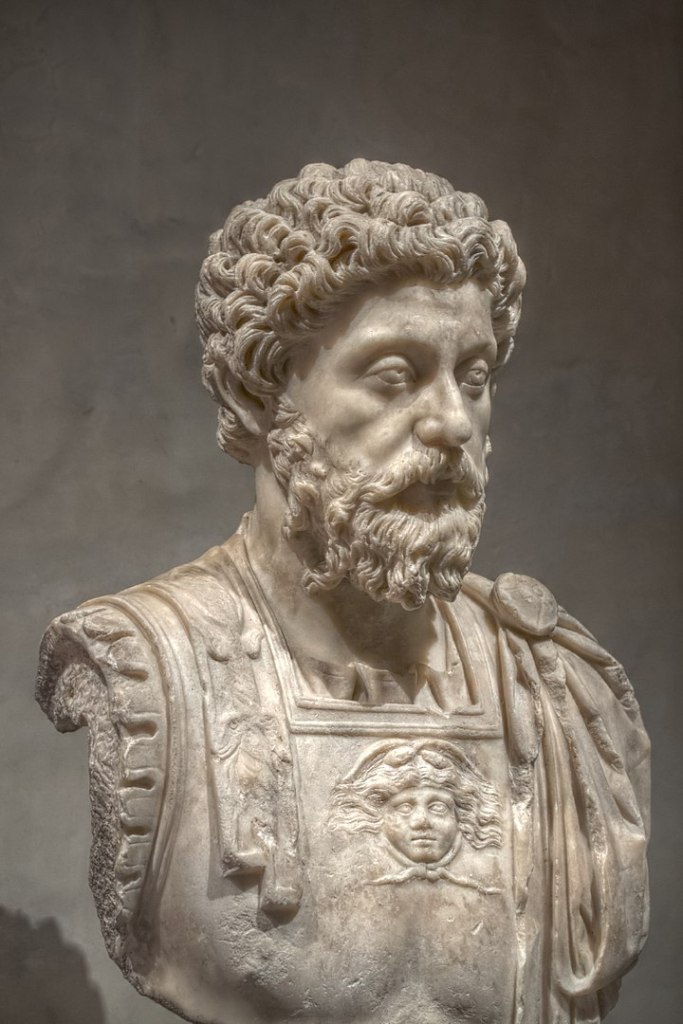
Any student of the philosophy of life will eventually come across a small book of quotes called, Meditations, by the second century CE Roman Emperor, Marcus Aurelius. He was a strict military general who was schooled in Stoic Philosophy and reluctantly took on the mantle of imperial power. I grew up with the idea that Stoic Philosophy was of the ‘stiff upper lip’ variety: take what you get and make the best of it. Sounds like a rather dull way of life and it is no wonder that the boisterous cult of Dionysius had a much greater following. However, the Stoics, much of which we know from the writings of Aurelius, had a very down-to-earth, self-sufficient approach to life. I am enjoying Meditations as well as works of others in this vein of philosophy.

Recently I was presented with the following quote:
“If you are distressed by anything external, the pain is not due to the thing itself, but to your estimate of it; and this you have the power to revoke at any moment.”

Marcus Aurelius, Meditations

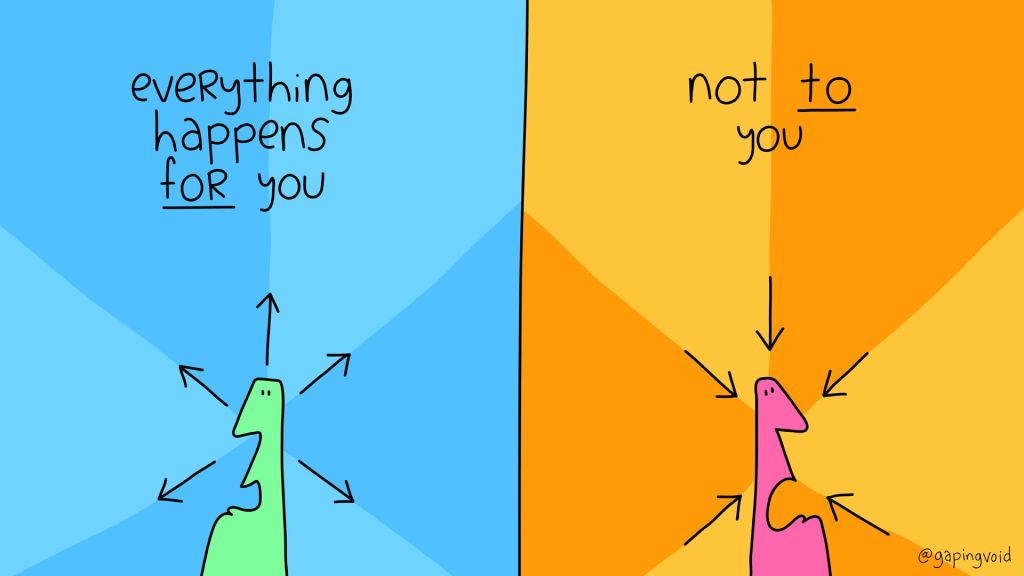
Each an every day we are faced with challenges. Sometimes they are somewhat trivial, such as what to wear or where to dine. Other times we must face far more critical moments, such as the decision I recently took to help my 17 year old dog cross over the rainbow bridge. The actual moment of decision is momentary. I pick this shirt, that restaurant and that veterinary. It’s the after effects of carrying through a decision that has the power to cause me pain or distress. I might question my judgement, or wonder about what might have happened had I taken another tack. All of my pain and distress at that moment is completely internal, ricocheting around in my mind. None of my mental vacillations will change an outcome or a decision. And yet I still allow myself to be haunted by them.

Aurelius’ quote reminds me that I don’t have to let these things bother me. I have the power to let the pain and distress go and move forward. I can make the decision to stop questioning myself. I can ‘revoke’ it because it is all in my head and nowhere else. I have the power to replace my thinking with another topic. I am reminded of the saying, ‘Someday we’ll laugh about this,’ when something in life goes terribly wrong. If there is a funny side to what happened, then I don’t have to cry about it: it is within my power to laugh about it now. It takes a change in perspective. I have that much control over my life.

Photo by Alexandr Podvalny on Pexels.com

Sometimes things happen that we have no control over. For example, someone cuts me off in traffic. I might lean on the horn, flip a certain finger to the driver and proceed to get extremely angry about the whole incident. I can rant on about ignorant slobs on their phones, young drivers, old drivers or other charged slurs to whomever might or might not be listening. Again, all of the distress I feel is internal. I can change my perspective. In this instance, I can remember not to take this personally. The other driver probably didn’t see me for whatever reason. This was not an attack on me. It was not done to purposely startle me. I can remember that I too have been the person who cut off another driver in traffic. Only someone who has never been behind the steering wheel has a perfect driving record. I may not be able to stop the initial response. It’s a part of the ‘flight or fright’ autonomic nervous system. However, I do have the power within me to let it go, to ‘revoke’ the power of the distress I feel.

Perhaps there was a childhood trama or other injustice that occurred to you and that you had no control over. You may choose to mourn the loss of innocence and relive the incident in all of its shocking detail over and over in your mind. But the venom in your soul won’t affect the transgressor with the slightest indigestion. Or, you may begin the process of healing by no longer resisting what happened. Accept that it happened and realize that you can diminish the present pain by realizing that it is stopping you from moving forward and growing in life. Forgiveness of others is not pardoning them; it is accepting that mistakes, sometimes extremely grave ones, were made but that you will no longer allow those mistakes to affect and distress your life. You do not have to give the power over what you feel and think to an aggressor. Take it back. Move forward.
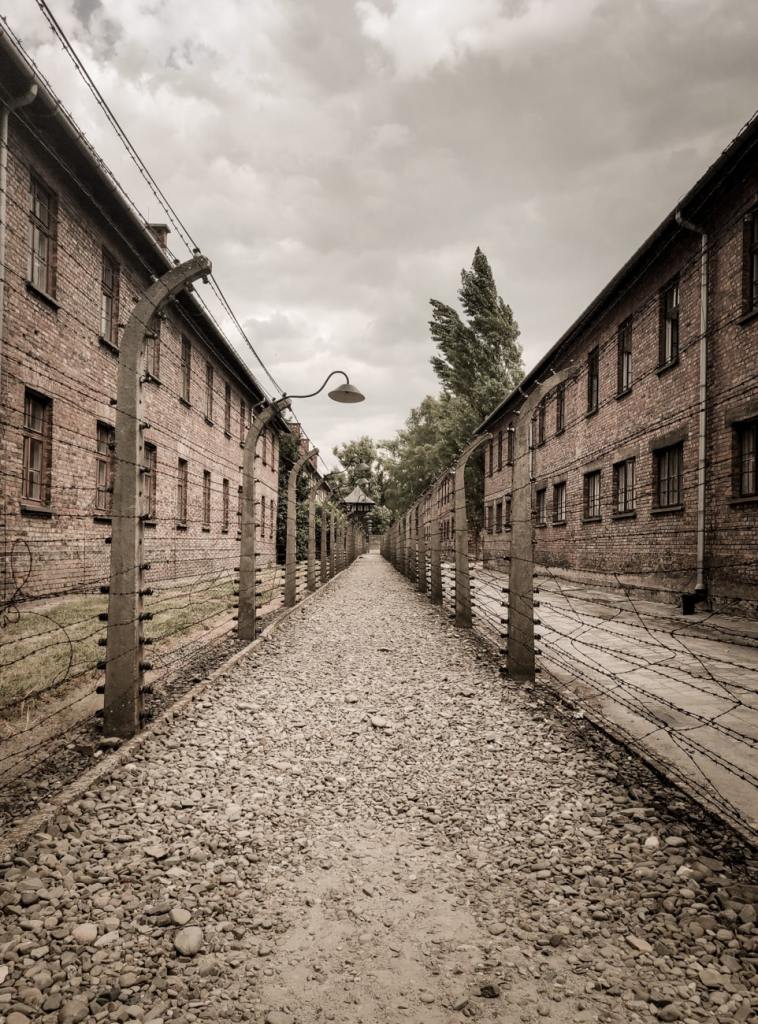
In his book, Man’s Search For Meaning, Viktor Frankl wrote very candidly about his interment in a Nazi concentration camp. He credited his survival to an attitude that his torturers might be able to take everything away from him, denigrate and abuse him in every way possible, but they could not take away his free will. He chose to keep a positive attitude and find meaning and understanding in his desperate situation. We do not have to suffer the indignities that Frankl did in order to make the decision to take control over our own destiny.

This image has an empty alt attribute; its file name is ship-boat-lake-garda-italy.jpg

This is your life. You own it. You have the power to create whatever you want with it. This is the ultimate gift of free will that we receive upon our birth. We all have the power to change our view, our perspective. Playing the role of victim and powerless pawn of others is a choice; so is being the captain of your own ship and charting your own course. If you have never done this before, deciding to revoke your distress will be strange, and challenging. Start small. It’s not recommended that you change everything at once. You have time. Trust the process of your life and where you wish to sail.


Ever Forward

Photo by Pixabay on Pexels.com

We have left a year behind where we were battered and bruised on many fronts only to find that the first three weeks of 2021 haven’t been the panacea that people had hoped would end our global run of bad luck. There is a continued assault on our health that just won’t diminish despite the roll out of several vaccines against Covid 19 along with social isolation. And then we witnessed a deadly assault on a great bastion of democracy of the world. We need the wisdom of Solomon to discern what is true, what is spin and what is an outright lie from what we see, read and hear. And here, at home, three beloved pets of our Casa Nelda family have passed away in the last ten days. No, it’s not a very auspicious start to a new year by any means.

And yet, I do not despair. I know that in the cycle of life there is always balance; a tip of the scale one way is matched by something on the other side. A pendulum always swings back. There are many cycles of life ever spinning, spiraling, drawing intricate patterns on the notebooks of our lives. When we feel out of balance, in the times that challenge us and our values, we can use this time to strengthen our resolve or shift our course in order to restore the equilibrium. I have spent the last ten months looking deeply at who I am and what I believe. I have read over thirty books, followed a dozen course programs, and listened to countless podcasts and YouTube videos to create a better version of myself. I have taken to heart and soul Socrates admonition that, “the unexamined life is not worth living.”

Am I perfect? Of course not. Am I satisfied with the results? Yes, though that does not mean that I am finished with myself. I now have a list of character traits that I aspire to. I also have three core values that have helped me to find purpose in my life. I am examining many of my beliefs and philosophies, challenging some, revising a few. I’m also chucking some beliefs that I are either no longer valid or never were true to begin with. Most importantly in all of this, I have come to realize the most fundamental aspect of my life: I am responsible for me; this is my life and making the most of this life is up to me, no one else.

“Ninety percent of the world’s woe comes from people not knowing themselves,
their abilities, their frailties, and even their real virtues.
Most of us go almost all the way through life as complete strangers to ourselves.”
Sydney J. Harris

I could look at my life and list countless things that have happened ‘to me’. I could blame my past, my parents, my geography, my sexuality, my race, my teachers, my partners, and my religion for feeling that I have not excelled in life, that I am not happy. I can find many excuses in so many categories for the mistakes I have made in life, the bad decision and the poor choices. But ultimately, I am responsible. Sometimes I said yes because I thought that is what other wanted me to do. Other times I gave permission to be used by others. I didn’t look before I leapt into unknown risks. Now, I have to acknowledge that I made those mistakes. I was the one who screwed up royally. Me! No one else. I am responsible. Sometimes I didn’t know better, because I didn’t do the needed research. Other times I was just lazy and allowed myself to be carried along by the flow of people, places and things. Often I didn’t make an actual decision and let happen what happened without realizing that not making a decision is really a decision in itself. In all cases, when things took me to places that were not to my liking, resulting in feelings I didn’t like, I had only one person to blame: the guy who stares back at me from the mirror.

So now the same guy is the guy who is working daily to improve himself, become a better version of himself. Yes. I am putting into practice what I am learning. I am moving my life forward. I am applying what I am learning in the courses. Like the gym membership card that so many buy in January won’t automatically confer the dream body, neither will all the self-help books, courses and videos make one iota of difference unless their suggestions are actually applied to one’s life. If I don’t make a change in my behaviour, it is guaranteed that my life will not change. And if things stay the same, I am the one who is responsible for the stagnation. However, if I do the work, then I can enjoy the fruits of those changes in my life.

This year may not have begun with the huge turn around that many hoped would miraculously happen. Changes don’t often come quickly. They plod along, step by step, day by day. When you change your course by one degree every day, in three months you are heading in a completely different direction. I can’t control the world, I can’t control other people. I can only exercise control over what I am responsible for: ME. And I am expecting great things of myself in the next twelve months!

Changing Your Perspective

This image has an empty alt attribute; its file name is pexels-photo-733416.jpeg

While I have never reviewed a book before, this one, Personality Isn’t Permanent, by Benjamin Hardy is a gem that belongs in everyone’s library. Too many times I hear statements like, ‘I’d like that, but this is just how I am,’ and ‘I’m too old to change.’ We tend to think that we are stuck in our path because of our past, who we think we are, and now, we’re unwilling to make changes to create the life we really would like to have. Pressure from friends, family and society herds us into believing that you can’t make a silk purse out of a sow’s ear because, well, you are how you are! Right?

When I first came across Ben Hardy about four years ago in an online article that he published, I knew that I had found a fellow traveler with similar beliefs, ideas and approaches to living. At the time he was a PhD student in psychology, was the most read contributor on Medium and had just published a book Slipstream; Time Hacking. I was impressed that he used solid science as well as his own experience to support the idea that a change in perspective can change how we view and use the same 1440 minutes that everyone gets each day. I later read Willpower Doesn’t Work, 2018, in which he writes about the need to pull one’s environment and practices into play to create the life one chooses. Willpower alone is not enough to create sustained change in our lives.

Last month, his newest book, Personality Isn’t Permanent was released to immediate best seller status. This book doesn’t disappoint. This book’s 271 pages is jamb-packed with insights and examples of how we can change the limited views we have of ourselves and open up to creating the life we want to live. Examples of include a man who became a Harvard fellow after being in prison for 14 years, another who quit smoking by changing his environment and even Hardy’s own wife who suffered abuse during her first marriage, yet managed to use past trauma to help her to grow and become the woman she always wished to be. If these people were able to overcome the odds and change how they relate to themselves and the world around them, then it must be possible for others to do so as well. We can overcome the tragedies and traumas in our past. We can seek out the self limiting beliefs that keep us trapped. We can make major changes in our lives by changing our perspectives on how we see our world.

Photo by meo on Pexels.com

At the core of the book is the belief that many of us maintain that by the time we are twenty, our personality is fixed and can no longer be altered. It goes along with the belief that at the same age, our bodies can produce no more brain cells than what we have then. Fry your brain cells, and they won’t be replaced. Take a personality test at 21 and you know what you will be like for the rest of your life. None of these beliefs is true. Your brain will continue to produce new neurons and develop new pathways for as long as we live.

It’s my belief that if one person can make radical changes in her life, then others can do the same. I know from my own struggles with alcoholism that it is possible. While at one time I couldn’t see my life without alcohol, I now can’t imagine every wanting it as part of my life ever again. If I could do that in one part of my life, why not in other parts?

Ben’s book is easy to read and, he gives practical suggestions on how to apply the solutions that he puts forward to change you and your personality. Each chapter offers questions and exercises to assist the reader in taking the next step forward Indeed, the book merits at least a second read and could be used as a personal development course text.

You are not stuck. You are not your past. Change your perspective and you will see how your history can become the inspiration for a brighter future. You don’t need to be known as that ‘moody’ person, or the ‘jerk who’s got a chip on his shoulder’. I am not ‘stuck’ with who I am. I can make changes and create the life experience that I have always wanted. My personality is not permanent.

Buy any of Ben’s books through Amazon

Check out his blog on Medium.com

(This is an unsolicited, and unremunerated review.)