As I was going over some of my writing from last week when I was away, I saw in the space at the top of one page I had written: “Most of what’s happening around me isn’t important, it’s a distraction. I can choose what’s important for me.” To be honest, I don’t remember writing it. It’s in the middle of five pages of script. I’ve been reading a lot of material lately with respect to self improvement, so it probably stems from there. And it has caught my attention over and over again in the past couple of days: “Most of what’s happening around me isn’t important, it’s a distraction.”
I was reminded of the 80-20 rule which basically says that 80 percent of the time I am involved in things that aren’t important to me and it’s only the things I do during about 20 percent of my time that help me move forward. The idea with eliminating distractions is to change the percentages more toward more of what is giving me results. Over the past couple of months I’ve been learning what my distractions are and changing my habits.
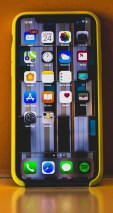
Photo by Essow Kedelina on Pexels.com
Probably the biggest distraction and time waster for me is my cell phone. How many times a day do I pick that up to check on something? Sure it’s handy, but it is also a tool and not a master that must be attended to every time it beeps and chimes. I eliminated a bunch of apps that are a distraction. And in the morning I leave my cell on the night stand until I have finished my morning meditation, journal writing and walking the dogs. There is just so little that has to be dealt with right as soon as I get up.
Another distraction I have been whittling down: Facebook. I can waste hours going through stroking egos by giving likes to notifications and videos, and making comments. Again, Facebook or other social media isn’t the culprit, it’s the time and attention that I lavish on what is mostly a distraction. Netflix is another distraction for me, especially a series. No longer do I have to ‘tune in next week on the same channel’ to find out what happens next. I don’t even have to click; automatically it opens the next episode. Before I know it, I’m investing another 42 minutes into it. I’ve limited the amount of news I read daily. I choose the videos I watch on Youtube, I stay away from Instagram and Twitter. So what has happened as a result of my limiting my ‘screen time’?
I have written more in the last two months than I have ever written before. Little of it is publishable, nor would I want it to be. But, if I want to call myself a writer, then I have to write. I am reading some of the classics of literature that somehow I failed to read in the past. I am organizing my home to be more conducive to writing and my other goals, including moving my desk to a more pleasant place. I’ve joined the gym again and work out regularly. And I am organizing my priorities. I am working on increasing the 20 percent: focusing on the areas where I wish to grow. I’m creating large windows of time in my day by eliminating distractions and focusing on what is most important for me.

Photo by Pixabay on Pexels.com

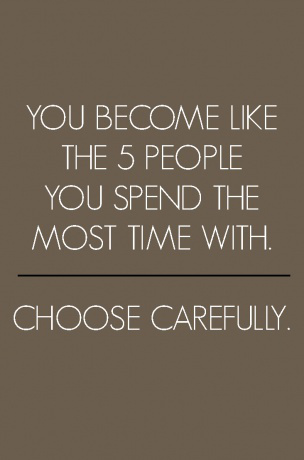 The message for us is very similar. If we stay in an environment where limits are put upon us by social pressures and our own beliefs then making permanent changes in our lives is very difficult. For those of us in recovery, making the choice to be clean and sober is often regarded with skepticism by those we hung around with. It’s important in the beginning to seek out others in recovery to help us and encourage us to move forward. We don’t necessarily drop our old friend, but we spend less time with them. Our common interests are changing. As we move forward in our recovery, they may see the results and want the same, or not. Ours is a program of attraction; it can’t be sold.

 Recovery river